Elytra and Coleoptera
A sheath, a wing, and the thing that makes a beetle a beetle
The official definition is almost modest. What makes a beetle, a curator says, is two pairs of wings, and a hard pair that protects the ones that fly.
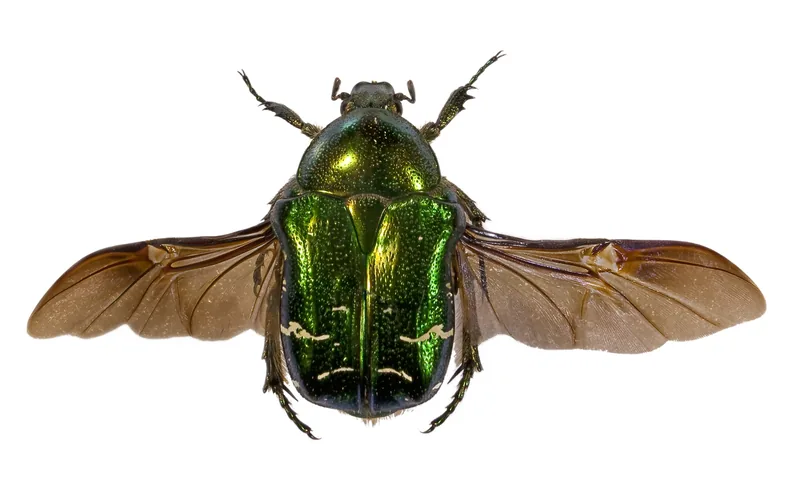
On the museum’s UK beetles page, Beulah Garner, Senior Curator, is given the defining sentence: “What makes a beetle is its two pairs of wings. The hardened outer wings, called elytra, protect the flight wings underneath.” “So, it’s fitting that the scientific name for beetle is ‘Coleoptera’ – coleo from the Greek for sheath, and ptera meaning wing.” [source]
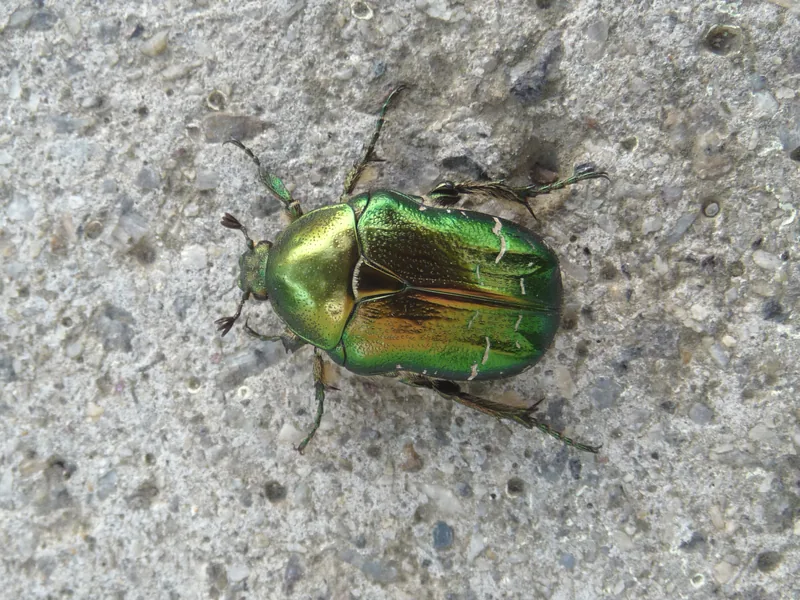
The rose chafer, Cetonia aurata, is a good official illustration, because the museum puts it first among “17 of the most colourful and striking British beetles.” “The rose chafer is iridescent golden-green and around 20mm long.” It “flies noisily from flower to flower on warm summer days. Its larvae live on decaying plant material like compost and rotting wood.” [source] The closed still shows the sheath. The flight still shows the second pair, out from underneath. A photographer’s size note on that flight file is not used as a second official length. The museum’s figure remains “around 20mm.”
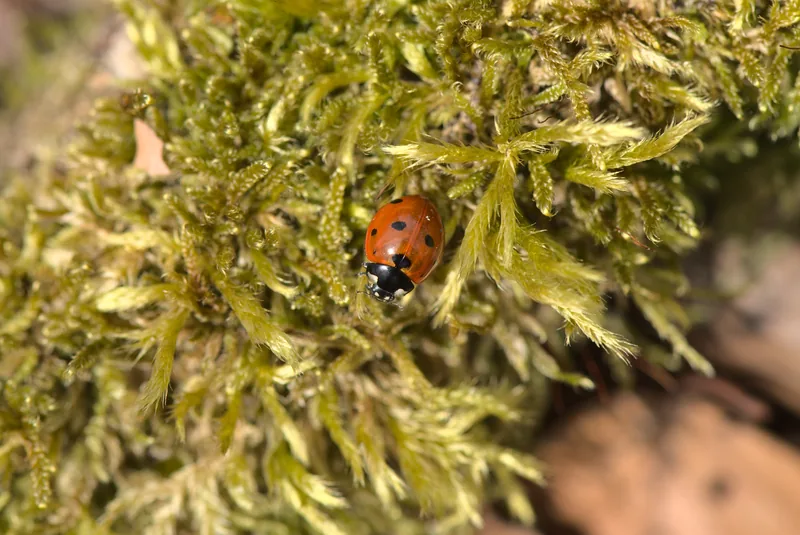
Once you have the wings, the rest of the official family is suddenly enormous. Beetles “make up more than a quarter of all known animal species on our planet.” There are “roughly 400,000 species of beetle known to science,” and “over 4,000 beetle species to spot” in the UK. [source] [source] Ladybirds, “probably” the most famous British beetles, wear the same sheath-and-wing arrangement as the rose chafer and the stag. The name Coleoptera is not a decoration. It is a description of that arrangement, in Greek, as the museum spells it out.
Enjoyed this desk on which familiar names are beetles, and which official glow-worm is not?
No pop-ups. No intrusive advertising. Just interesting stuff. A little support helps the next critters.im site get built.