Credits
Every photograph on this site
Licences were checked on each Wikimedia Commons file page on 18 November 2026. CC BY stills are used on the website and credited; they are not placed in the typographic PDFs. CC BY-SA stills are used on the website only, and are not placed in the downloadable fact sheets.
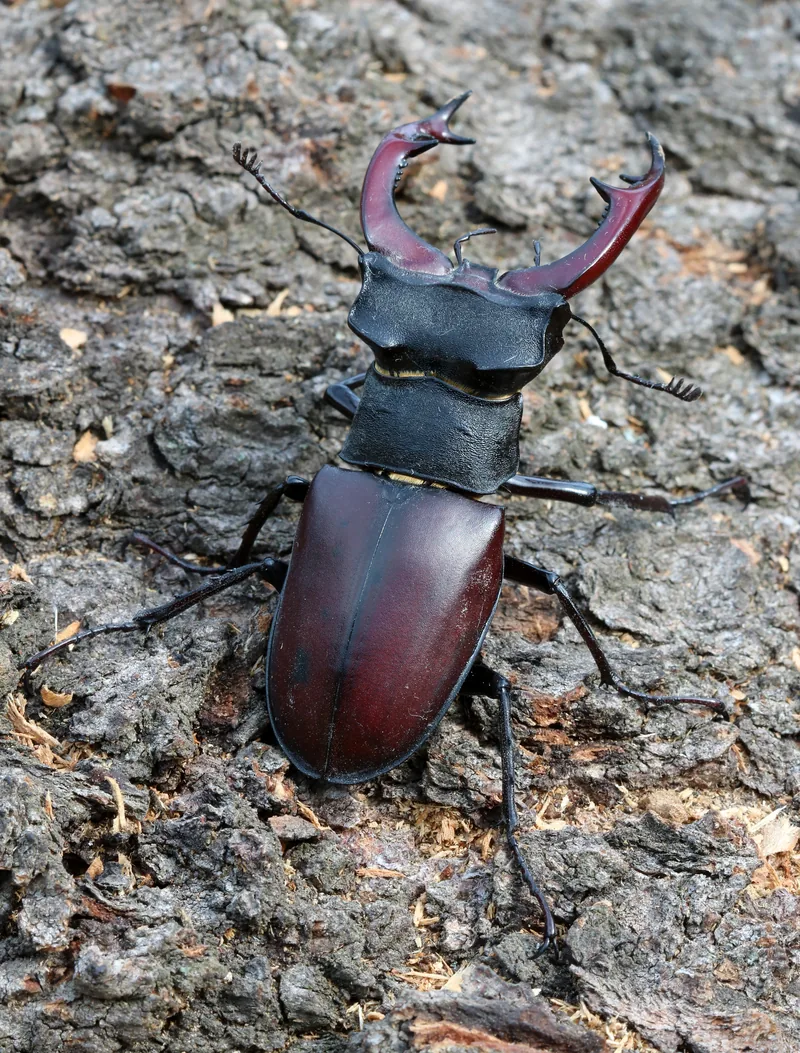
A male European stag beetle (Lucanus cervus), photographed by George Chernilevsky on 16 July 2017 in Vinnytsia Oblast, Ukraine. Public domain. Photo: George Chernilevsky · Public domain · George Chernilevsky 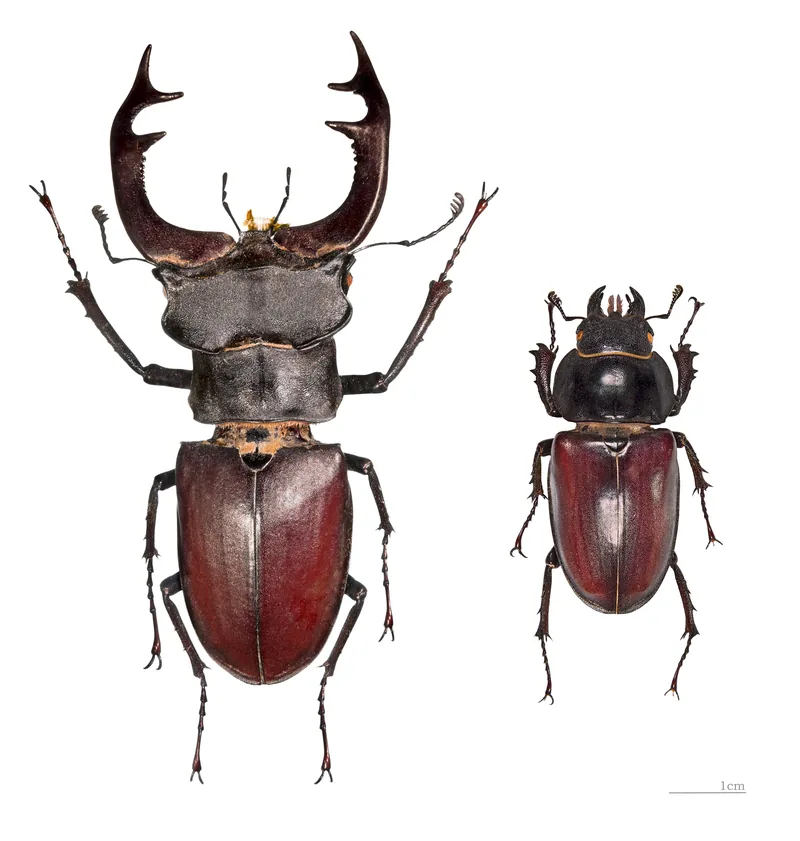
Stag beetle specimens, male and female, photographed by Didier Descouens on 23 March 2013 at the Muséum de Toulouse. Museum specimens, not a wild pair in the field. CC BY-SA 4.0, used on the website only, and not placed in the typographic fact sheets. Photo: Didier Descouens · CC BY-SA 4.0 · Didier Descouens 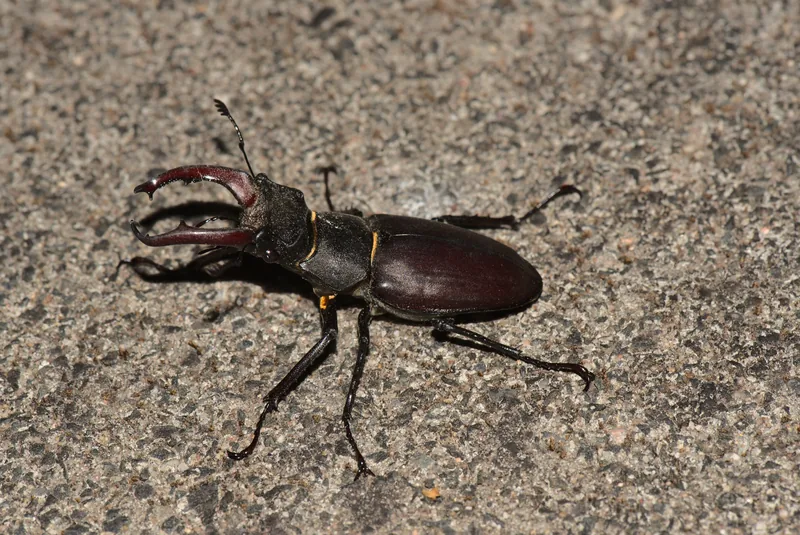
A European stag beetle (Lucanus cervus) at the Rodenhof in Saarbrücken, photographed by Flocci Nivis on 29 May 2020. CC BY 4.0. A regional dialect name on the Commons file is not used on this site. Photo: Flocci Nivis · CC BY 4.0 · Flocci Nivis 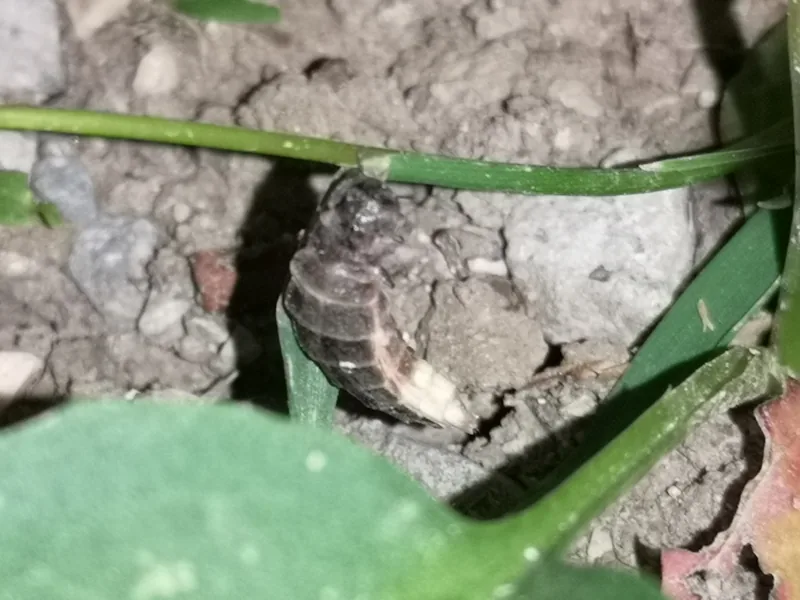
A female glow-worm of Lampyris noctiluca, photographed by Tero Keski-Valkama on 1 June 2020 in Wiesentäli, Zürich. The museum calls this species the one most often seen in the UK, and notes that the wingless females emit a steady glow. CC0. Photo: Tero Keski-Valkama · CC0 · Tero Keski-Valkama 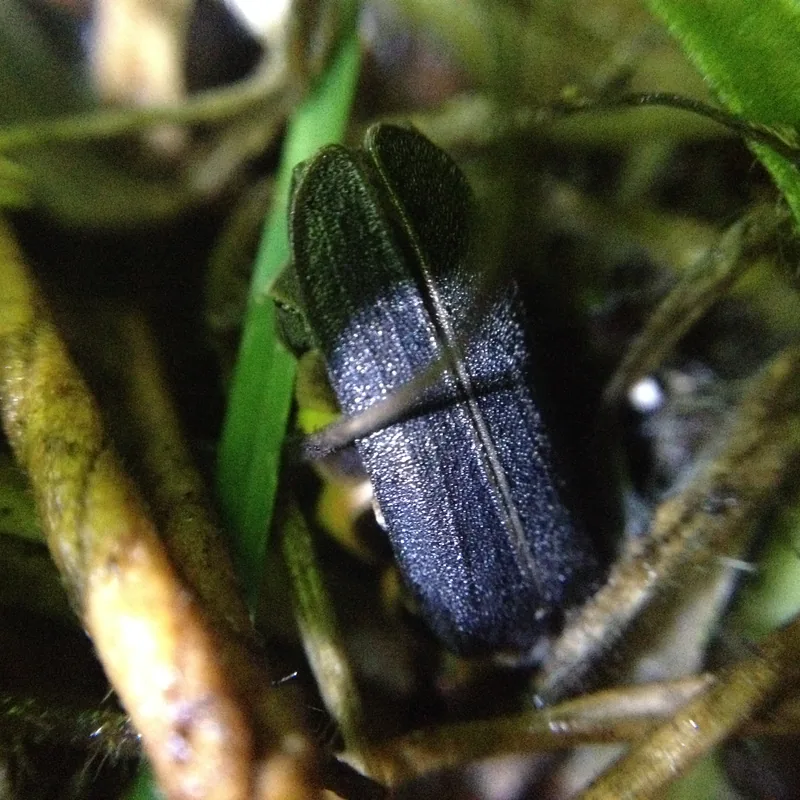
A male glow-worm (Lampyris noctiluca), photographed by Stephen Elwyn Roddick on 17 June 2020. The winged male of the same species as the larviform female. CC BY-SA 2.0, used on the website only, and not placed in the typographic fact sheets. Photo: Stephen Elwyn Roddick · CC BY-SA 2.0 · Stephen Elwyn Roddick 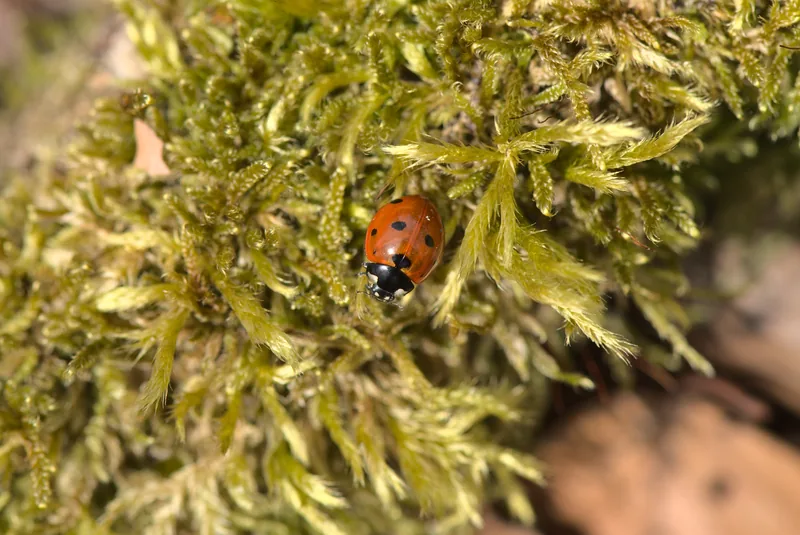
A seven-spot ladybird (Coccinella septempunctata) on moss in the nature reserve Badstube Mimbach, photographed by Flocci Nivis on 9 April 2021. The museum calls ladybirds probably the most famous beetles in the UK, and this species one of the most common. CC BY 4.0. Photo: Flocci Nivis · CC BY 4.0 · Flocci Nivis 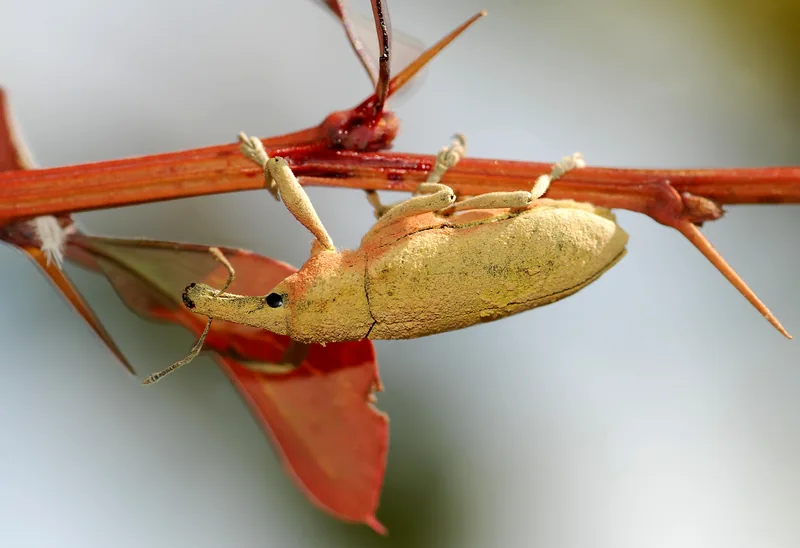
A weevil of the family Curculionidae, Lixus angustatus, photographed by Alvesgaspar. The Commons file dates it February 2008, with Exif data of 21 September 2008. True weevils, the museum says, are the largest taxonomic family of beetles. CC BY-SA 4.0, used on the website only, and not placed in the typographic fact sheets. Photo: Alvesgaspar · CC BY-SA 4.0 · Alvesgaspar 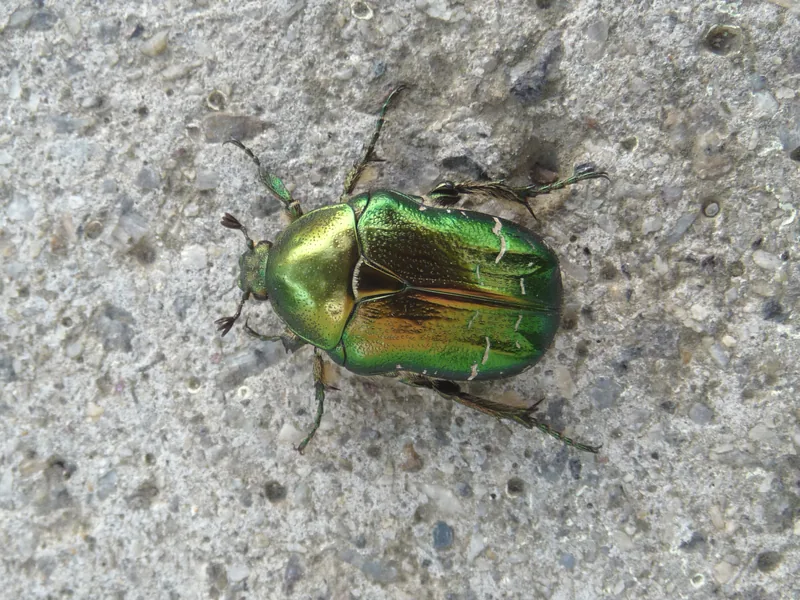
A rose chafer (Cetonia aurata), photographed by George Chernilevsky on 10 June 2009. The museum describes the species as iridescent golden-green and around 20 millimetres long. Public domain. Photo: George Chernilevsky · Public domain · George Chernilevsky 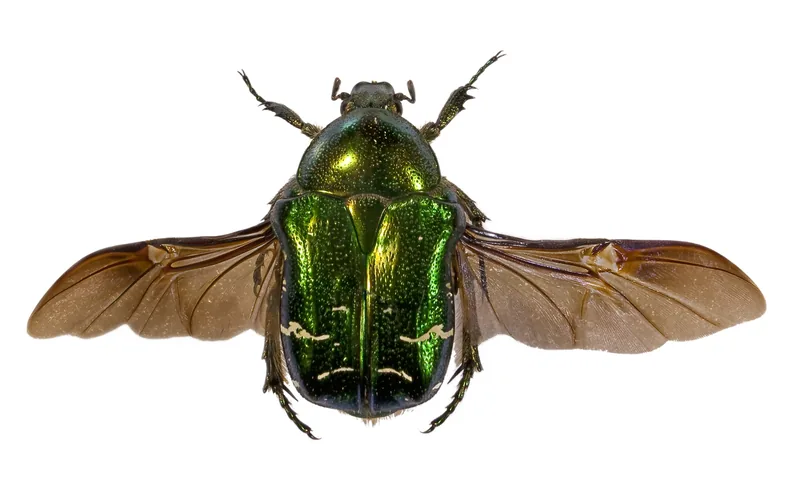
A rose chafer (Cetonia aurata) in flight, photographed by Didier Descouens on 10 April 2010 at Fronton, France. The hardened outer wings, the elytra, and the flight wings underneath are both visible. A photographer’s size note on the file is not used as the museum’s “around 20mm” figure. CC BY 4.0. Photo: Didier Descouens · CC BY 4.0 · Didier Descouens 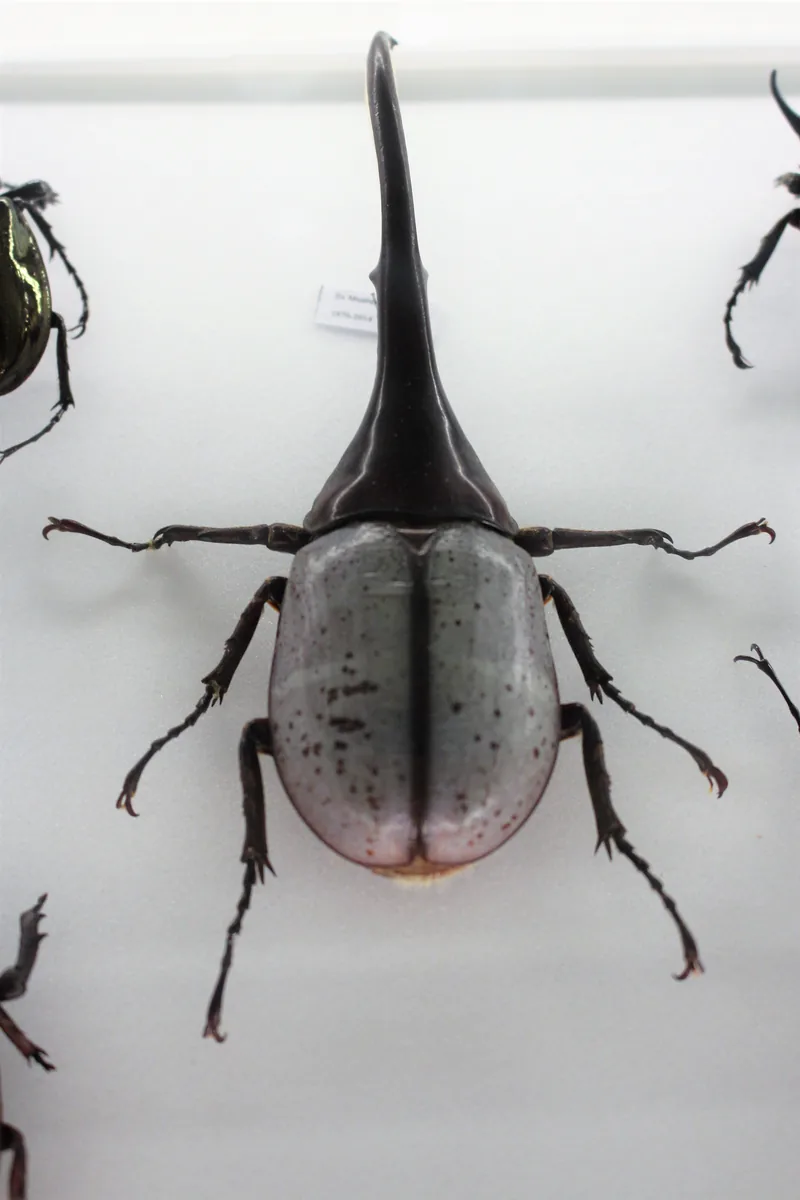
A male Hercules beetle (Dynastes hercules) at the Cambridge University Museum of Zoology, photographed by Emőke Dénes on 1 September 2018. A museum specimen, not a wild animal in the field. If total length is counted, the museum calls this the world’s longest beetle. CC BY-SA 4.0, used on the website only, and not placed in the typographic fact sheets. Photo: Emőke Dénes · CC BY-SA 4.0 · Emőke Dénes 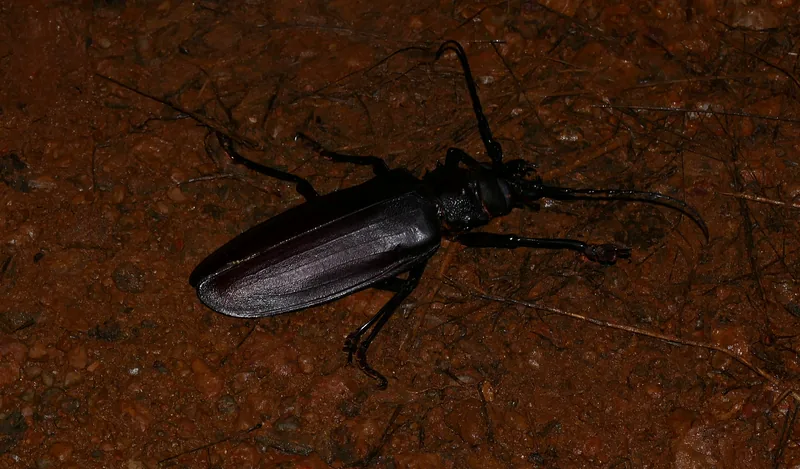
A titan beetle (Titanus giganteus) running on the ground, photographed by Bernard Dupont on 15 January 2018 on the Piste de Belizon, Roura, French Guiana. If body length alone is counted, the museum calls this the longer of the two official longest beetles, at 16.7 centimetres. CC BY-SA 2.0, used on the website only, and not placed in the typographic fact sheets. Photo: Bernard Dupont · CC BY-SA 2.0 · Bernard Dupont 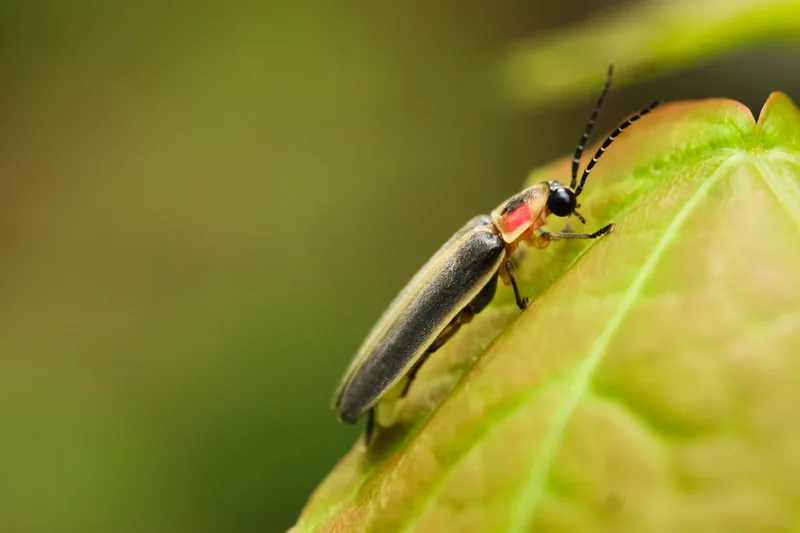
An eastern firefly (Photinus pyralis), photographed by Celari817 on 17 June 2025 in Virginia. A non-glow-worm firefly in the same family, Lampyridae, not a UK common glow-worm, and not a New Zealand fungus gnat. CC BY 4.0. Photo: Celari817 · CC BY 4.0 · Celari817
Enjoyed this desk on which familiar names are beetles, and which official glow-worm is not?
No pop-ups. No intrusive advertising. Just interesting stuff. A little support helps the next critters.im site get built.