Is it a beetle?
Five official yeses, and one official no
The names are familiar. The museum’s answers are short, and they are not all the answer you might have brought with you.
The signature desk
Is it a beetle?
Six familiar names, with official answers from the Natural History Museum. Five of them are beetles. One of them is not.
Ladybird — yes
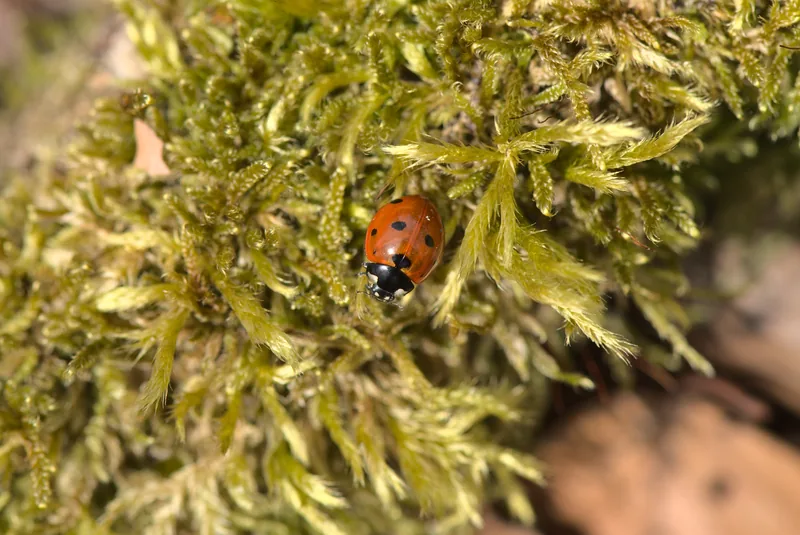
The museum’s UK beetles page opens with the familiar ones: “The most famous beetles in the UK are probably ladybirds.” The seven-spot ladybird, Coccinella septempunctata, “is one of the most common.” [source] A ladybird is a beetle, and it is usually the first beetle people think they already know.
Glow-worm — yes
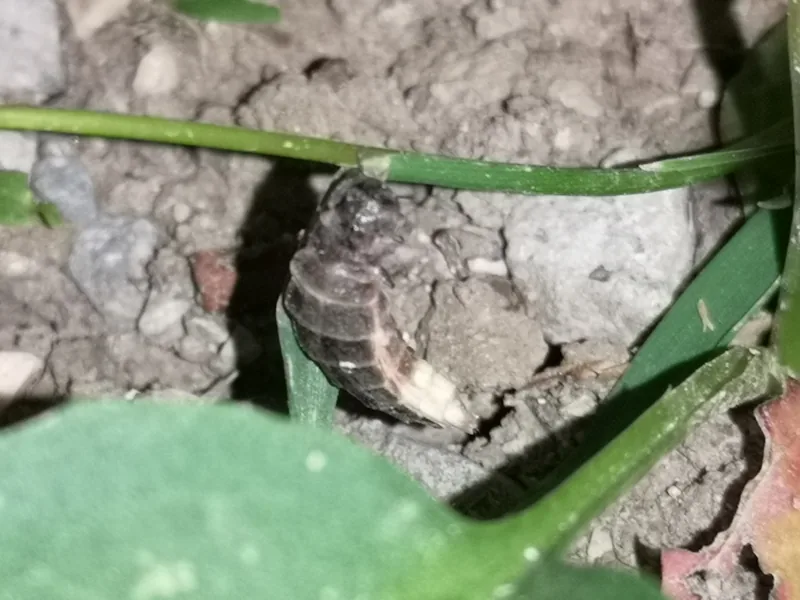
“Despite their name, glow-worms aren’t worms at all – they’re beetles.” They belong to the family Lampyridae, “commonly known as fireflies or lightning bugs.” Lampyris noctiluca “is the glow-worm species most often seen in the UK.” The wingless females “emit a steady glow of light.” [source]
Firefly — yes
The same official family covers the flashing insects as well as the UK’s steady glow. “Glow-worms belong to the family Lampyridae. The beetles in this group are commonly known as fireflies or lightning bugs.” In “non-glow-worm fireflies, males and females communicate by both flashing their lights in specific patterns and tempos.” [source] A firefly is a beetle. It is not a New Zealand fungus gnat.
Weevil — yes
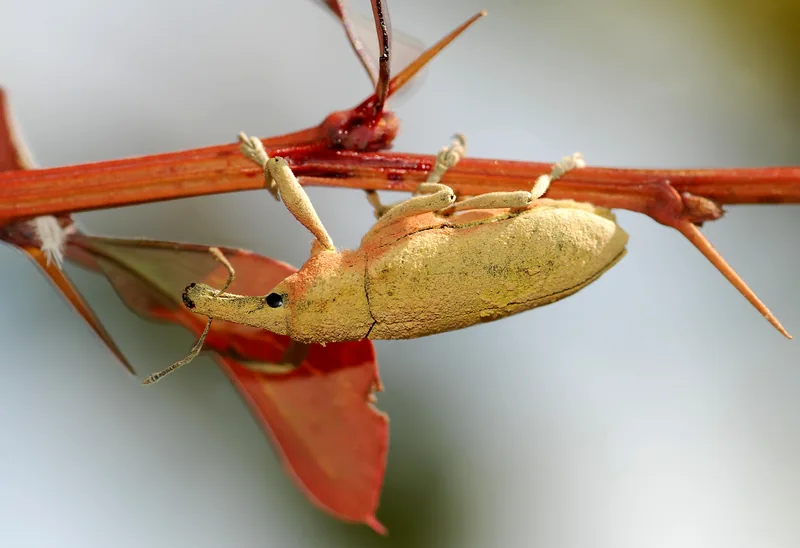
“There are an estimated 83,000 species of true weevil (Curculionidae), making them the largest taxonomic family of beetles. About 480 species of weevil can be found in the UK.” [source] A true weevil is a beetle, and it belongs to the biggest official family on this desk.
Stag beetle — yes
The European stag beetle, Lucanus cervus, “is the biggest beetle species found in the UK.” The museum’s stag-beetle page also calls it “the UK’s largest beetle” and “the largest beetle not just in the UK but in Europe.” [source] [source]
New Zealand glow-worm — no
“The term ‘glow-worm’ is also used to describe another group of insects. The fly genus Arachnocampa comprises five species of fungus gnat which emit bioluminescence during their larval stage.” Unlike glow-worm beetles, “the gnats use their luminosity to entice prey.” [source] The light is real. The animal is not a beetle, and it is not Coleoptera. This desk has no photograph of Arachnocampa, because no confirmed free licence was used for this rebuild.
The yeses
Ladybirds come first because they already live in people’s heads as beetles, and the museum agrees. “The most famous beetles in the UK are probably ladybirds.” There are “over 4,000 beetle species to spot here,” and the seven-spot, Coccinella septempunctata, “is one of the most common.” [source]
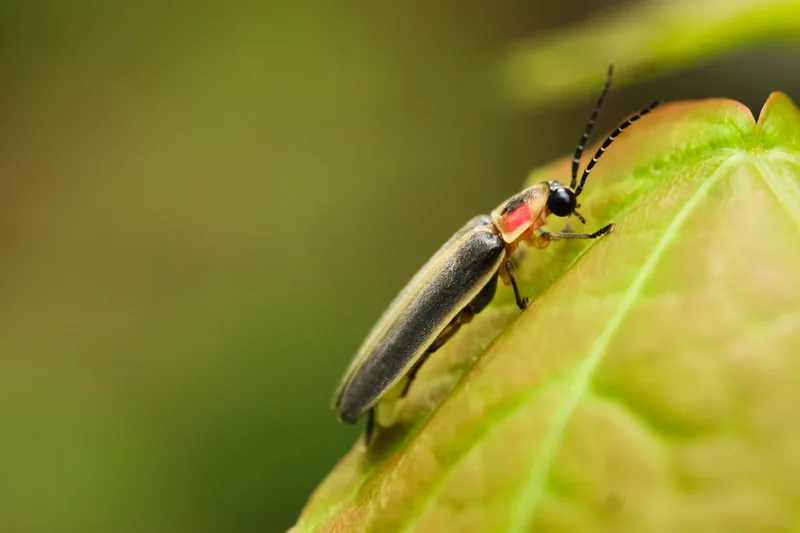
Glow-worms take a little more telling, because the name gets in the way. “Despite their name, glow-worms aren’t worms at all – they’re beetles.” They belong to Lampyridae, “commonly known as fireflies or lightning bugs,” a family of “over 2,000 lampyrid species.” In the UK the species “most often seen” is Lampyris noctiluca, whose wingless females “emit a steady glow of light” and “can’t flash their lights on and off like some other firefly species.” [source] A firefly is therefore also a beetle. The eastern firefly in the still above, Photinus pyralis, is one of those “non-glow-worm fireflies” that communicate by flashing, not a UK common glow-worm, and not a cave gnat.
Weevils are beetles with a huge official family. “There are an estimated 83,000 species of true weevil (Curculionidae), making them the largest taxonomic family of beetles. About 480 species of weevil can be found in the UK.” [source] The weevil photograph on this page is Lixus angustatus, a member of that family, not a claim that it is one of the 480 UK species named on the museum’s list.
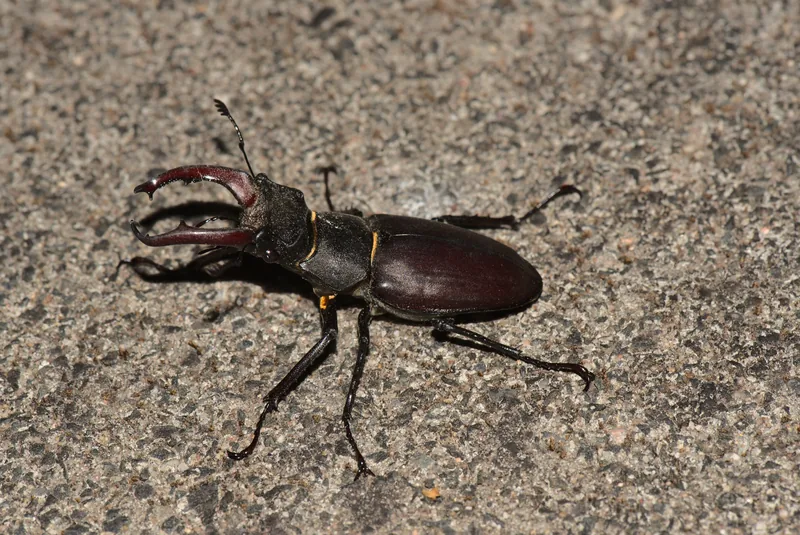
And the stag beetle is not only a beetle. It is, in the museum’s wording, “the biggest beetle species found in the UK,” and, on the stag-beetle page, “the largest beetle not just in the UK but in Europe.” [source] [source] The details of its two official length wordings, and of a caption that says “nearly 8cm,” belong on the stag page.
The no
The New Zealand glow-worm is the official exception that makes the desk worthwhile. “The term ‘glow-worm’ is also used to describe another group of insects. The fly genus Arachnocampa comprises five species of fungus gnat which emit bioluminescence during their larval stage.” “Unlike glow-worm beetles, the gnats use their luminosity to entice prey.” [source] There is no photograph of Arachnocampa on this rebuild: no confirmed free licence was used. The official wording is enough. The light is not a beetle’s light.
Enjoyed this desk on which familiar names are beetles, and which official glow-worm is not?
No pop-ups. No intrusive advertising. Just interesting stuff. A little support helps the next critters.im site get built.